
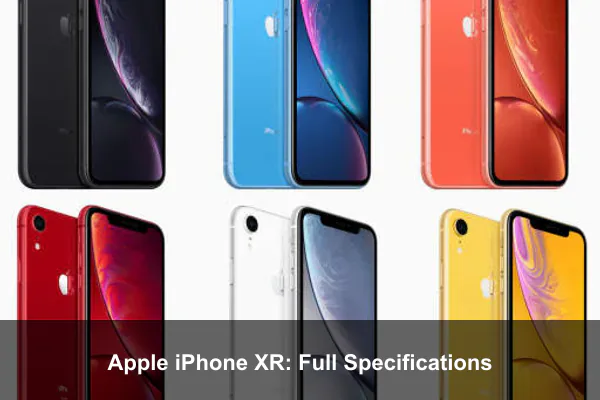
The Apple iPhone XR arrived in 2018 as the affordable member of the X-series, pairing the same flagship A12 Bionic chip as the pricier iPhone XS with a colorful design and a single rear camera. Years after its launch and now officially discontinued, it has transformed into one of the most sensible second-hand bargains in the iOS world, hovering around the 150 EUR mark on the used market.
This article looks at the iPhone XR strictly as a value purchase in today’s terms: a still-supported iPhone that runs modern iOS, handles everyday tasks with ease, and asks very little of your wallet. Below we break down where it still shines, where age shows, and exactly which buyer it suits best.
Full Specifications
Network
| Technology: | GSM / CDMA / HSPA / EVDO / LTE |
| 2G bands: | GSM 850 / 900 / 1800 / 1900 |
| CDMA 800 / 1900 | |
| 3G bands: | HSDPA 850 / 900 / 1700(AWS) / 1900 / 2100 |
| CDMA2000 1xEV-DO | |
| 4G bands: | 1, 2, 3, 4, 5, 7, 8, 12, 13, 14, 17, 18, 19, 20, 25, 26, 29, 30, 32, 34, 38, 39, 40, 41, 66, 71 |
| Speed: | HSPA, LTE, EV-DO Rev.A 3.1 Mbps |
Launch
| Announced: | 2018, September 12. Released 2018, October 26 |
| Status: | Discontinued |
Body
| Dimensions: | 150.9 x 75.7 x 8.3 mm (5.94 x 2.98 x 0.33 in) |
| Weight: | 194 g (6.84 oz) |
| Build: | Glass front (Corning-made glass), glass back (Corning-made glass), aluminum frame (7000 series) |
| SIM: | Nano-SIM + eSIMNano-SIM + Nano-SIM (China) |
| IP67 dust/water resistant (up to 1m for 30 min) Apple Pay (Visa, MasterCard, AMEX certified) |
Display
| Type: | Liquid Retina IPS LCD, 625 nits (HBM) |
| Size: | 6.1 inches, 90.3 cm2 (~79.0% screen-to-body ratio) |
| Resolution: | 828 x 1792 pixels, 19.5:9 ratio (~326 ppi density) |
| Protection: | Scratch-resistant glass |
Platform
| OS: | iOS 12, upgradable to iOS 18.6 |
| Chipset: | Apple A12 Bionic (7 nm) |
| CPU: | Hexa-core (2×2.5 GHz Vortex + 4×1.6 GHz Tempest) |
| GPU: | Apple GPU (4-core graphics) |
Memory
| Card slot: | No |
| Internal: | 64GB 3GB RAM, 128GB 3GB RAM, 256GB 3GB RAM |
| NVMe |
Main Camera
| Single: | 12 MP, f/1.8, 26mm (wide), 1/2.55″, 1.4µm, PDAF, OIS |
| Features: | Quad-LED dual-tone flash, HDR (photo/panorama) |
| Video: | 4K@24/30/60fps, 1080p@30/60/120/240fps, HDR, stereo sound rec. |
Selfie camera
| Single: | 7 MP, f/2.2, 32mm (standard) SL 3D, (depth/biometrics sensor) |
| Features: | HDR |
| Video: | 1080p@60fps |
Sound
| Loudspeaker: | Yes, with stereo speakers |
| 3.5mm jack: | No |
Comms
| WLAN: | Wi-Fi 802.11 a/b/g/n/ac, dual-band, hotspot |
| Bluetooth: | 5.0, A2DP, LE |
| Positioning: | GPS, GLONASS, GALILEO, QZSS |
| NFC: | Yes |
| Radio: | No |
| USB: | Lightning, USB 2.0 |
Features
| Sensors: | Face ID, accelerometer, gyro, proximity, compass, barometer |
Battery
| Type: | Li-Ion 2942 mAh, non-removable (11.16 Wh) |
| Charging: | 15W wired, PD2.0, 50% in 30 min Wireless (Qi) |
Misc
| Colors: | Black, Red, Yellow, Blue, Coral, White |
| Models: | A2105, A1984, A2107, A2108, A2106, iPhone11,8 |
| SAR: | 1.13 W/kg (head) 1.16 W/kg (body) |
| SAR EU: | 0.99 W/kg (head) 0.99 W/kg (body) |
| Price: | About 150 EUR |
Our Tests
| Performance: | AnTuTu: 341196 (v7), 422465 (v8) GeekBench: 11437 (v4.4), 2690 (v5.1) GFXBench: 58fps (ES 3.1 onscreen) |
| Battery (old): | Endurance rating 78h |
Price and Availability
The Apple iPhone XR offers a compelling combination of features and performance. While the base price is around €150, the actual cost may vary depending on your location and retailer. Below, you’ll find the approximate price of the Apple iPhone XR converted into various currencies. Please note that these are estimates based on recent exchange rates as of June 14, 2026 and may not reflect the exact price you’ll find at a retailer.
- United States: $174
- Japan: ¥27,804
- United Kingdom: £129
- Australia: A$247
- Canada: C$243
- Taiwan: NT$5,484
- Denmark: kr1.119
- Saudi Arabia: ﷼651
- South Korea: ₩263,840
- Germany: €150
- Brazil: R$885
- Vietnam: ₫4.529.050
- Kenya: KSh 22,466
- India: ₹16,521
- Indonesia: Rp 3.101.334
- Nigeria: ₦233,801
- Pakistan: ₨48,307
- Philippines: ₱10,550
- Bangladesh: ৳২১,৩৩৬
Why the iPhone XR Still Makes Sense at Around 150 EUR
At roughly 150 EUR on the used market, the iPhone XR is one of the cheapest ways to get into a genuinely capable Apple device. What makes it special is that it never used a cut-down processor: it shares the 7 nm A12 Bionic with the flagship iPhone XS of its generation. That means the performance gap that usually separates budget and premium phones simply does not exist here, and the savings come mostly from the LCD screen, single camera, and aluminum-and-glass build rather than from raw speed.
Design and Build: Colorful, Durable, and Familiar
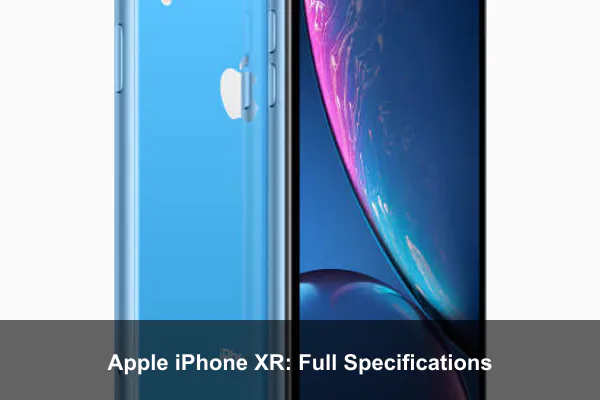
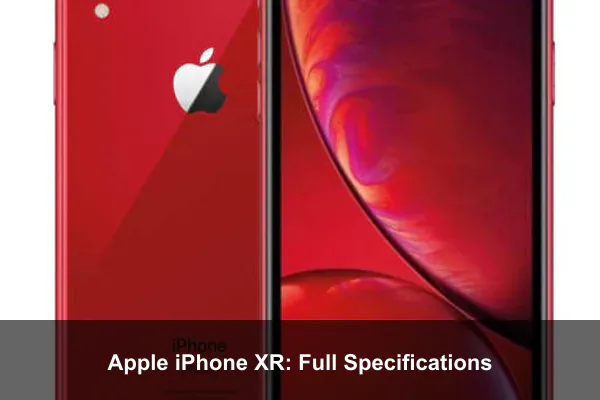
The XR measures 150.9 x 75.7 x 8.3 mm and weighs 194 g, giving it a reassuringly solid feel without being awkward. Apple used Corning-made glass on both the front and back with a 7000-series aluminum frame, and the phone carries an IP67 rating for dust and water resistance up to 1 meter for 30 minutes. The standout, though, is the palette: Black, Red, Yellow, Blue, Coral, and White make it far more playful than the muted tones of most modern flagships. Apple Pay support and Face ID round out a package that still feels current in daily use.
Display: Liquid Retina LCD That Punches Above Its Price
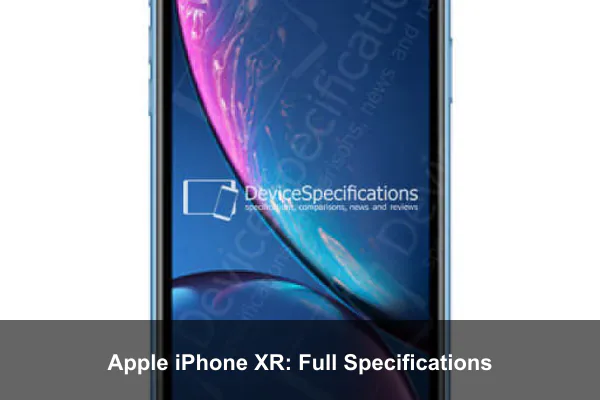
The 6.1-inch Liquid Retina IPS LCD runs at 828 x 1792 pixels (~326 ppi) with up to 625 nits of brightness. Purists will note it is not OLED and lacks the deep blacks of newer iPhones, but in practice it is sharp, color-accurate, and perfectly bright enough for indoor and most outdoor use. The 19.5:9 ratio and roughly 79% screen-to-body ratio give it a modern, near-bezel-less look. For media, browsing, and apps, this panel remains a comfortable, easy-on-the-eyes experience.
Performance: A12 Bionic Keeps It Fast Years Later
This is where the XR earns its keep. The hexa-core A12 Bionic (2×2.5 GHz Vortex + 4×1.6 GHz Tempest) with a 4-core Apple GPU and NVMe storage still posts respectable numbers: AnTuTu 422,465 (v8) and GeekBench 2,690 (v5.1 multi-core), with GFXBench managing 58fps in the ES 3.1 onscreen test. In real terms, app launches, scrolling, and casual gaming feel snappy. The only caveat is the 3GB of RAM, which can cause heavier apps or many open tabs to reload more often than on newer models.
Camera: One Lens, Smart Software
The XR sticks to a single 12 MP f/1.8 wide camera with OIS and PDAF, backed by Apple’s Smart HDR processing and a Quad-LED dual-tone flash. Despite having no telephoto or ultrawide, it produces clean, well-balanced daylight shots and competent portraits using software depth. Video is a genuine strength, with 4K capture up to 60fps and 1080p slow motion at 240fps, plus stereo sound recording. The 7 MP TrueDepth selfie camera handles Face ID and 1080p video. It is not a multi-lens powerhouse, but for everyday photos it remains dependable.
Battery: One of the XR’s Quiet Strengths
The 2,942 mAh battery was famously efficient at launch, earning a 78-hour endurance rating, and even a used unit typically lasts a full day of moderate use. Charging is modest by today’s standards: 15W wired with PD2.0 reaching 50% in about 30 minutes, plus Qi wireless charging. Note that no charger is included with most used units, so factor in a USB-C-to-Lightning PD brick for the fastest top-ups.
Software and Longevity
Shipping with iOS 12 and upgradable all the way to iOS 18.6, the XR enjoys one of the longest software lifespans of any budget-friendly phone you can buy used. That means current apps, security updates, and Apple’s ecosystem features all work, which is rare territory for a device at this price. For anyone wanting a long-lasting, low-cost iPhone, this update support is the single most compelling reason to choose it.
Connectivity
Connectivity covers the essentials: 4G LTE with broad band support, Wi-Fi 802.11ac dual-band, Bluetooth 5.0, NFC for Apple Pay, and GPS with GLONASS, Galileo, and QZSS. It uses a Lightning (USB 2.0) port rather than USB-C, and there is no 3.5mm jack or 5G, the two main reminders of its age. For a phone meant for calls, messaging, navigation, and apps, the connectivity suite is more than adequate.
Who Should Buy the iPhone XR
The XR is ideal for first-time iPhone owners on a tight budget, parents buying a reliable phone for a child, or anyone wanting a dependable iOS backup device. If you crave 5G, OLED, or multi-lens photography, look to newer models. But if you want long software support and flagship-class speed for around 150 EUR, few phones compete.
Conclusion
The Apple iPhone XR has aged into a smart, low-risk buy: it keeps the A12 Bionic’s flagship-grade performance, long iOS support through iOS 18.6, strong battery life, and a durable IP67 build, all for around 150 EUR used. Its single camera, LCD screen, and lack of 5G are fair trade-offs at this price. If you want the most reliable budget iPhone for everyday use rather than cutting-edge features, the XR remains an easy recommendation.
